Built from frustration. Running on purpose.
Chasing Light Collective exists to cut through the compliance and red tape that stops passionate operators from building the business they actually want to run. Photographers, guides, tour operators — anyone doing great work on managed land who deserves a clearer path to doing it properly.
Two problems that kept showing up.
Running photography workshops across Australia and New Zealand means navigating a different compliance system in every jurisdiction. QPWS in Queensland. Parks Tasmania with their NBT licence framework. Parks Australia for Uluru. DOC in New Zealand. Local councils with their own CAP systems. Every single one is different. Every single one takes time to learn from scratch — and most operators learn by failing their first application.
The second problem was quieter but just as real. The AU/NZ photography scene runs in silos. Great photographers working in isolation, no culture of sharing locations or building each other's platforms. In the US and Europe, collaboration is the default. Here it's the exception.
CLC is the answer to both. Not the only answer — but the one we've been building.
-
Problem 1The compliance barrier is genuinely unreasonable
The moment money changes hands in a national park or on managed land, you're a commercial operator. Permits, safety plans, risk assessments, insurance, authority liaison, renewal cycles. The list is real and it's long — and there's almost no guidance for small operators trying to navigate it. Most give up or wing it. Neither is a good outcome.
-
Problem 2Good operators don't have compliance support
Lawyers are expensive and don't know the specific systems. There are no compliance consultants specialising in outdoor commercial operations. Park agencies are helpful but not resourced to guide every applicant through the process. Most operators figure it out themselves, badly, over multiple failed attempts. CLC is filling this gap.
-
Problem 3Collaboration culture barely exists here
AU/NZ photography is fragmented. Everyone working alone, guarding locations, building separate audiences. CLC is building the network and the culture that should already exist — where collaboration is the default and everyone's audience benefits from everyone else's work.
A platform, not just a photography brand.
CLC sits separately from Dylan Knight Photography for a reason. DKP is the workshop operation. CLC is the compliance backbone, the product platform, and the network — built to serve operators beyond photography, beyond one business, beyond one person.
Compliance consulting and digital products
The core and primary work of CLC. Permit applications, safety plans, documentation systems, and template products for outdoor commercial operators across Australia and New Zealand. This is the gap nobody else is filling — and it's the foundation CLC was built to address.
Photography workshops
Small-group landscape, seascape, and astrophotography workshops operated by Dylan Knight Photography to the CLC standard. Fully permitted, professionally run, mentorship-led. The compliance infrastructure CLC was built on is what makes these workshops work — and it's available as a product for any operator who needs the same foundation.
Collaboration network
A network of working photographers and outdoor operators who share knowledge, locations, and audiences rather than working in isolation. The culture shift that needs to happen in AU/NZ — built deliberately, one operator at a time. This is the long game.
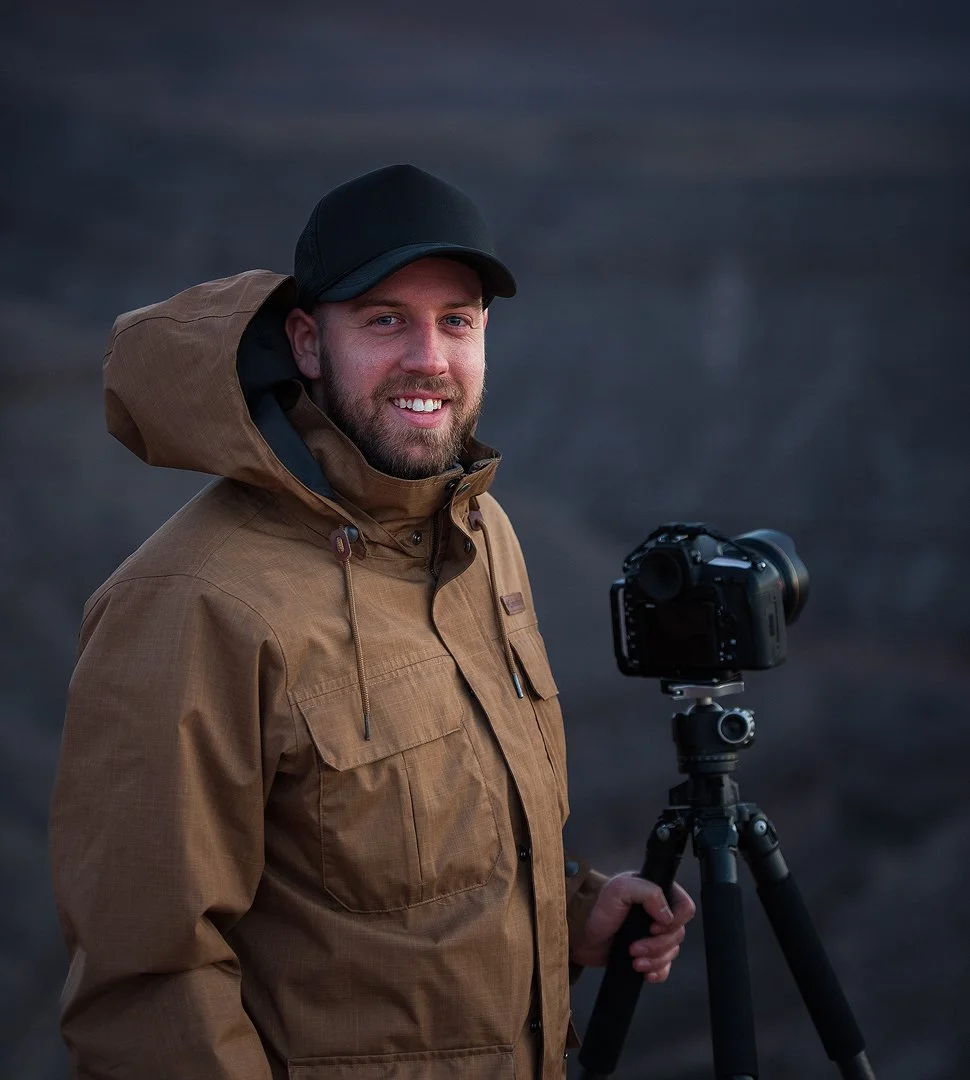
Dylan Knight
Founder · Chasing Light CollectiveI'm a Sunshine Coast–based landscape and astrophotography specialist who built all of this from scratch — permits, safety plans, risk assessments, insurance setups, authority email threads — for my own photography business first. Then I looked around and realised everyone else was doing the same thing from zero, badly, because there was no other option.
I love what I do. I love taking people into the field and watching them see light differently. I love being outdoors and making images in places that are genuinely hard to get to. And I care deeply about helping people who love what they do as much as I do — get to actually do it, without the compliance system being the wall that stops them.
That's the entire motivation behind CLC. It's not clever positioning. It's just the problem I kept seeing and couldn't leave alone.
Life is too short to let paperwork be the reason you didn't do it.
There are genuinely talented operators across Australia and New Zealand who aren't running the business they want to run because the compliance system beat them. Not because they didn't care about doing it properly — because there was nobody to help them navigate it. CLC is the answer to that. Not a silver bullet. Not a legal firm. Just an operator who's done the work and is making the knowledge available.
Two ways in.
Whether you need compliance help or you want to be part of the network — start here.